
Kenya grows it. The world wants it. But what makes Kenya an increasingly important source of agricultural products for international markets?
From the tea fields of the highlands to coffee-growing regions, horticultural farms and macadamia orchards, Kenya's agricultural story is far more diverse than a single commodity or export market. Behind this diversity is a network of producers, businesses and institutions that continues to connect Kenyan agriculture with buyers across the world.
For international buyers, the opportunity is not simply about finding agricultural products. It is about finding reliable sources, suitable quality, consistent supply and the right market connections.
And this is where Kenya's agricultural potential becomes particularly interesting.
A Diverse Agricultural Base
Agriculture remains an important part of Kenya's economy and livelihoods, with the country producing a broad range of crops for both domestic consumption and international markets.
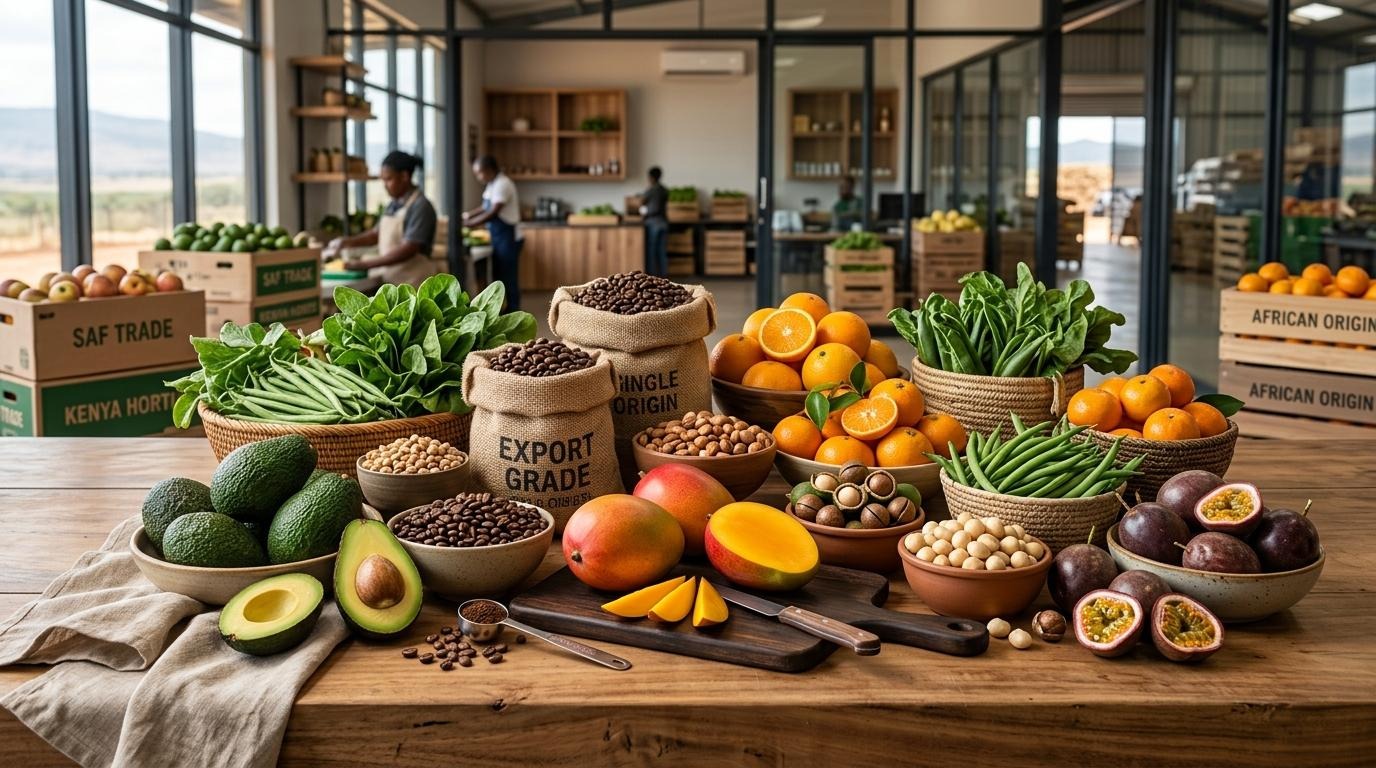
Tea and coffee are among Kenya's most recognised agricultural exports, but they represent only part of the country's agricultural basket. Kenya also has established and emerging opportunities in horticulture, macadamia and other nuts, spices, industrial crops and a range of other agricultural products.
The Agriculture and Food Authority (AFA) oversees several of these important crop value chains, including coffee, horticulture, nuts and oil crops, food crops and industrial crops. Its mandate includes supporting the development, regulation and promotion of scheduled crop value chains.
This diversity gives international buyers the opportunity to look beyond individual commodities and consider Kenya as a broader agricultural sourcing destination.
Kenya's Export Performance Tells a Bigger Story
Kenya's agricultural export performance provides an indication of the scale of this opportunity.
During April–June 2025, coffee exports reached 15,748 metric tonnes, valued at USD 117.4 million. Export value increased by 36% compared with the corresponding period, supported in part by higher global prices. At the same time, 97% of the coffee exported remained in unprocessed green form, demonstrating both the strength of Kenya's coffee trade and the potential for greater value addition.
The nuts and oil crops sector recorded exports of 12,787 metric tonnes valued at approximately KES 4.61 billion during the same quarter, with macadamia among the leading products alongside other commodities such as sesame, cashew and coconut products.
Horticulture provides another example of Kenya's international reach. During April–June 2025, fresh horticultural exports reached 130,568 metric tonnes valued at approximately KES 50.55 billion. The sector's products continue to serve a wide range of international destinations.
These figures point to something important: Kenya's agricultural export opportunity is increasingly multi-commodity.
From Tea to Horticulture: Kenya's Agricultural Basket
Kenya's tea industry remains one of the country's strongest agricultural export sectors, supported by an established production base and international recognition.
But alongside tea is a growing range of other opportunities.
Coffee continues to connect Kenyan producers with international markets and has significant potential for further processing and value addition.
Macadamia and other nuts provide opportunities within a sector that AFA identifies as having considerable potential for economic development, manufacturing, market access and foreign-exchange earnings.
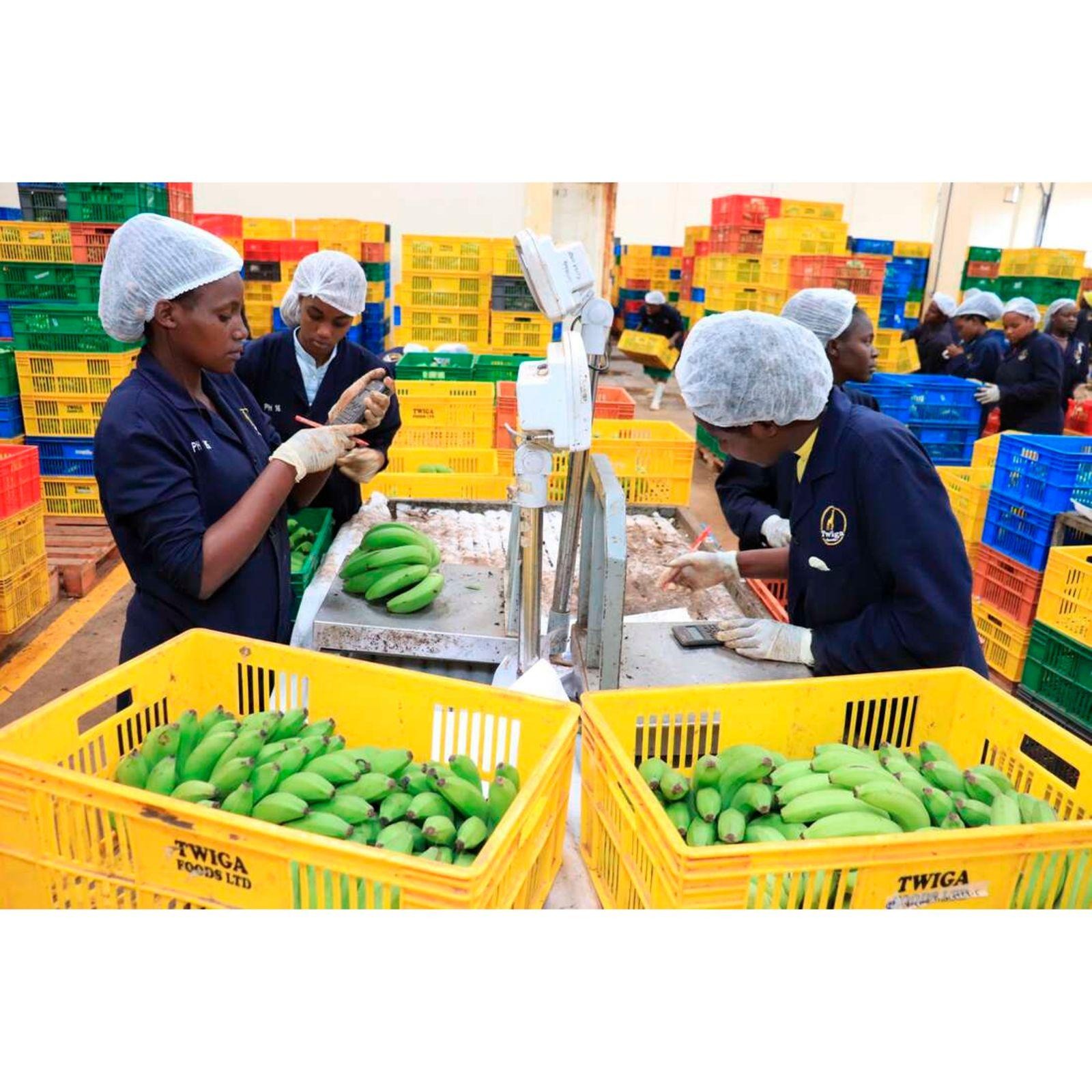
Horticultural products, including flowers, fruits and vegetables, have developed strong international markets. AFA's market-development work specifically focuses on improving competitiveness and market access for Kenyan horticultural produce and products.
Spices and other selected agricultural commodities add further diversity to Kenya's potential sourcing base, particularly where quality, origin and product characteristics align with specific market requirements.
This diversity matters because international buyers are increasingly looking for sourcing relationships that can respond to changing consumer preferences, product requirements and market opportunities.
A Country with Established International Market Connections
Kenya's agricultural export story is also supported by established trade relationships.
Kenyan agricultural products already reach markets across Europe, the Middle East, Asia, North America and other regions. For example, AFA data shows that Kenya's horticultural exports reached 125 destinations during January–March 2025, with major markets including the Netherlands, United Kingdom, United Arab Emirates, Germany and others.
This existing international presence provides an important foundation.
It means Kenya is not entering global agricultural trade from the starting line. The country already has producers, exporters, market relationships, regulatory institutions and established trade channels that can support further growth.
At the same time, the opportunity is not limited to traditional markets.
Kenya's trade policy direction places emphasis on export growth, market diversification and expanding the export basket. The Kenya–EU Economic Partnership Agreement, which entered into force in July 2024, provides Kenyan products with quota-free and duty-free access to the EU market, subject to the applicable rules and requirements. The government has also identified diversification beyond traditional tea, coffee and horticultural exports as an important area for future growth.
The Opportunity Is More Than Production
Having agricultural products available is only one part of becoming a successful sourcing destination.
International buyers need to know that products can be sourced according to agreed specifications, quality requirements and volumes. They also need confidence around documentation, regulatory compliance, traceability, packaging and delivery arrangements.
This is where the strength of a sourcing ecosystem becomes important.
A farmer may produce a high-quality commodity, but connecting that product with an international buyer requires market knowledge and coordination. A buyer may know exactly what they want, but finding the appropriate source and coordinating requirements can be challenging.
The opportunity lies in connecting these two sides effectively.
Where Agrico Sourcing Partners Fits In
At Agrico Sourcing Partners Ltd, we see Kenya's agricultural diversity as an opportunity to build meaningful connections between producers and international markets.
Our role is not to claim ownership of the entire export chain. Instead, we operate as a sourcing and market-connection partner, helping connect suitable agricultural supply with market demand.
This means working to identify appropriate sources, understand buyer requirements, facilitate communication, support quality expectations and coordinate with relevant supply-chain partners as products move towards their intended markets.
Our interests extend beyond tea to selected agricultural commodities such as coffee, macadamia, nuts, spices and other products where there is suitable market demand and reliable supply.
For us, sourcing is therefore about more than locating a product.
It is about understanding where the product comes from, what the buyer needs, what the market requires and which partners are needed to support the transaction.
Why the Right Connection Matters
The difference between a potential export opportunity and a successful long-term supply relationship often comes down to how well the different parts of the transaction are connected.
The producer needs a viable market.
The buyer needs a dependable source.
Quality requirements need to be understood.
Regulatory requirements need to be considered.
Volumes and specifications need to be communicated clearly.
Logistics and documentation need to be coordinated appropriately.
And throughout the process, all parties need confidence in the relationship.
This is the space where a professional sourcing and market-connection partner can add value—not by replacing the different participants in the supply chain, but by helping them work together more effectively.
From Agricultural Potential to Global Opportunity
Kenya's agricultural strength lies not only in what it produces today, but also in the opportunities to develop new markets, increase value addition, strengthen supply chains and connect a wider range of products with international demand.
The country's established agricultural industries provide a strong foundation, while emerging commodities and value-added products create room for further growth.
For international buyers, Kenya can offer more than individual commodities. It can offer access to a diverse agricultural sourcing environment supported by experienced producers, established export sectors and growing market opportunities.
For producers and suppliers, international markets can create opportunities to reach customers beyond traditional channels—provided that quality, consistency, compliance and reliable commercial relationships are in place.
At Agrico Sourcing Partners, we believe that the opportunity is created when these two sides are connected effectively.
Our role is to help build those connections—linking suitable agricultural products and reliable sources with international market requirements, while supporting the coordination needed to move opportunities towards successful commercial relationships.
Because Kenya's agricultural story is not only about what the country grows.
It is about where those products can go, who they can reach, and the connections that help take them there.
Agrico Sourcing Partners Ltd
Sourcing Excellence. Delivering Confidence.
Sources & Further Reading
The following official sources provide supporting information and industry context for the statistics, agricultural sectors, market access and trade developments discussed in this article.
Agriculture and Food Authority (AFA)
Official information on Kenya's scheduled crop value chains, including coffee, horticulture, nuts and oil crops, food crops and industrial crops.
Agriculture and Food Authority
AFA Quarterly Agricultural Export Data
Agricultural export performance statistics covering coffee, horticulture, nuts and oil crops and other scheduled crops.
AFA Quarterly E-Bulletin
AFA Horticultural Market Research & Product Development
Information on horticultural market access, competitiveness, processing, market development and producer–buyer linkages.
AFA – Market Research & Product Development
AFA Yearbook of Statistics
Agricultural statistics and information on production, exports, destinations and sector performance.
AFA Yearbook of Statistics
State Department for Trade – Kenya
Information on Kenya's export promotion, trade policy, market diversification and international trade opportunities.
State Department for Trade
Kenya–EU Economic Partnership Agreement
Official information on the Kenya–EU EPA and its implications for market access and export opportunities.
State Department for Trade – Kenya–EU EPA
Comments (2)